Mudras: Finger Yoga for Daily Energy
Simple hand gestures rooted in yoga tradition — portable tools for focus, grounding, and calm wherever your day takes you.

Simple hand gestures rooted in yoga tradition — portable tools for focus, grounding, and calm wherever your day takes you.
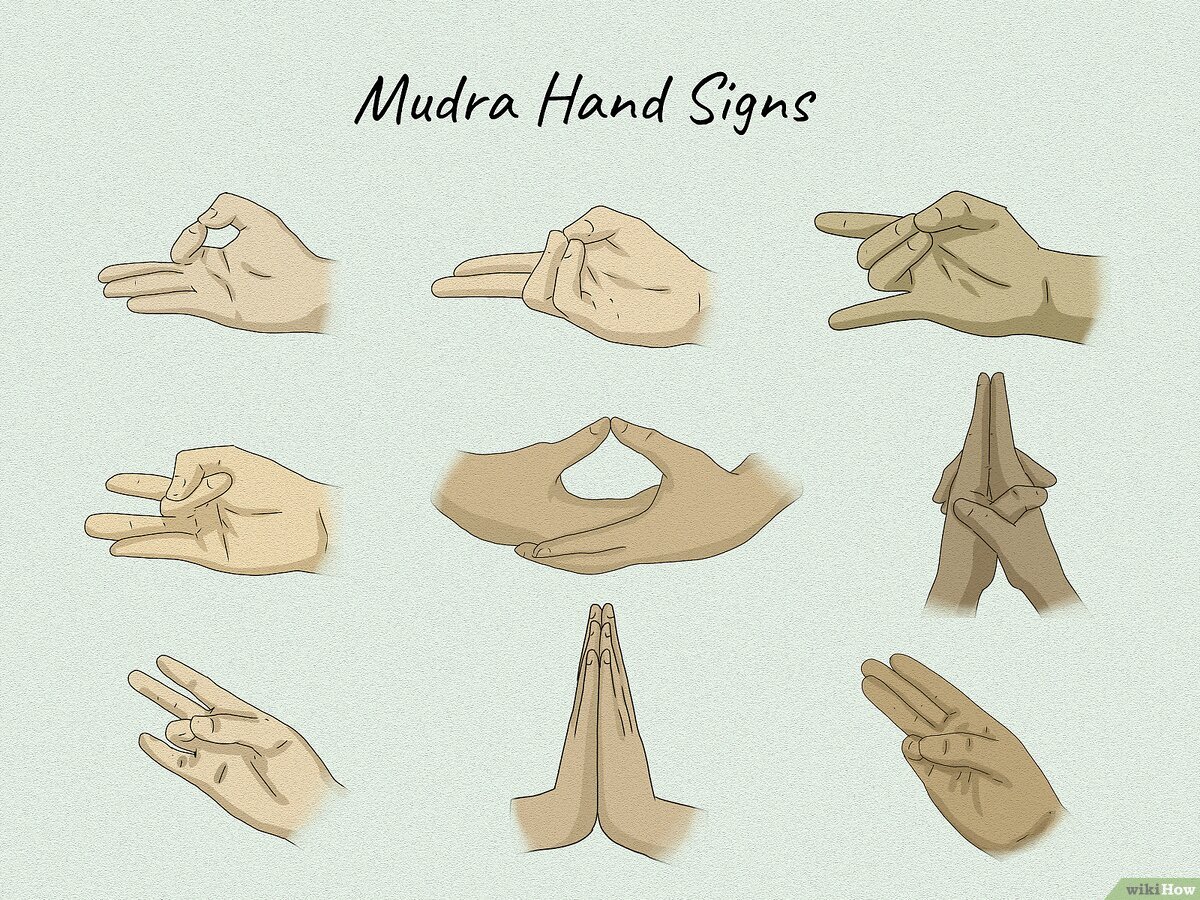
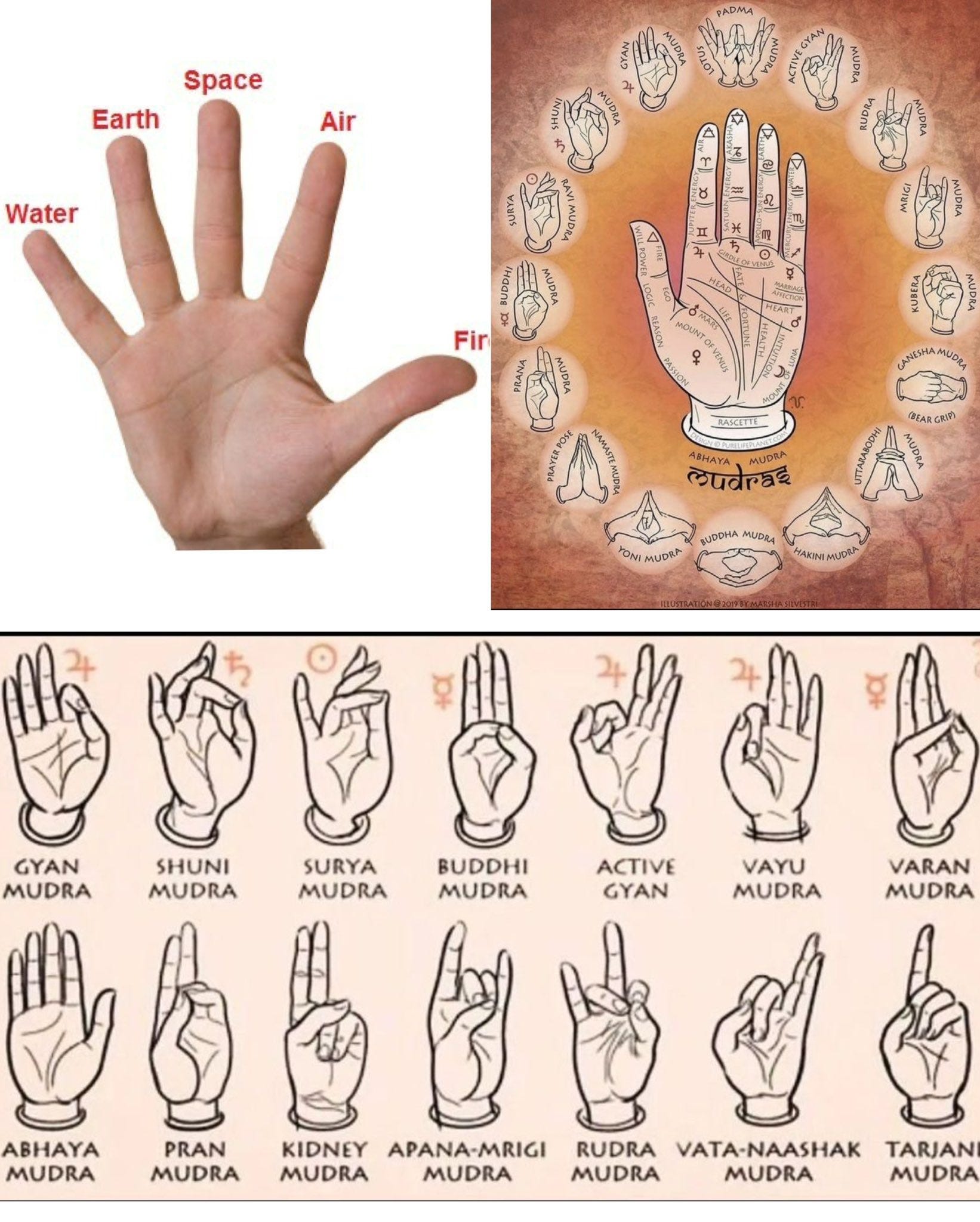
Mudra means "gesture" or "seal" in Sanskrit. In yoga and Ayurvedic tradition, each finger is associated with an element — thumb with fire, index with air, middle with space, ring with earth, and pinky with water. When fingertips touch in specific combinations, practitioners believe energy pathways (nadis) rebalance and the mind receives a clear sensory anchor.
Modern neuroscience offers a complementary view: the hands contain dense sensory receptors, and their motor representation in the brain is remarkably large. Holding a deliberate hand shape gives your attention a physical home. Instead of chasing anxious thoughts, you notice the gentle pressure of thumb against finger — a small act that may interrupt the stress loop.
We present mudras as general wellness practices for everyday learning, not as interventions for any specific health condition. They work best as brief pauses woven into ordinary moments: before a presentation, during a traffic jam, or when you sit down to write.
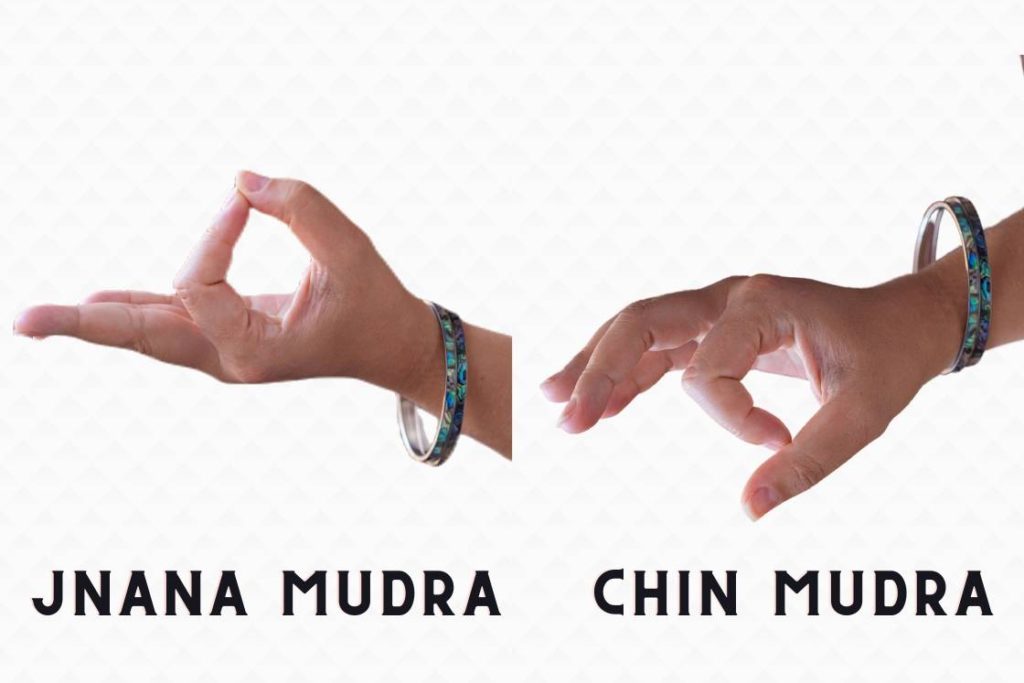
Join the tip of your thumb to the tip of your index finger. Rest the remaining three fingers extended but relaxed, palms facing up on your knees or thighs. This is Jnana Mudra — the gesture of knowledge and focused awareness seen in countless meditation images.
Practitioners use it when mental energy feels dispersed — jumping between tabs, replaying conversations, planning three tasks at once. The circle formed by thumb and index creates a closed circuit that symbolizes unity of individual consciousness with universal awareness. Whether you embrace the symbolism or simply value the stillness, the effect is practical: your hands stop fidgeting, and your breath often deepens without effort.
Hold for two to five minutes during meditation or desk work. There is no strain required. If the fingers slip, gently reform the circle and return to breathing.
Click your current need. The guide highlights a traditional mudra with step-by-step instructions.
Choose one of the three options to see a mudra recommendation.
Reflexology maps also connect finger zones to areas of the brain and body. While scientific evidence for specific mudra-to-organ pathways remains limited, the experiential reports are consistent: people feel more centered when they give their hands a purposeful shape instead of leaving them tense on a keyboard.
Try alternating mudras through your day. Morning Jnana for focus, afternoon Prithvi for grounding, evening Abhaya if you need reassurance before sleep. Notice what resonates — your body is the final authority.
60-minute educational workshop. Fee shared before registration. In-person at our Rochester studio.
Virtual session. Fee shared before registration. Hakini and Jnana emphasis.
Most practitioners hold mudras for one to five minutes. Longer sessions during meditation may extend to thirty minutes. Comfort matters more than duration.
Yes. Many mudras can be held discreetly below desk level. Jnana and Prithvi are especially office-friendly.
Traditionally both hands mirror each other. Abhaya Mudra is an exception — typically performed with one raised hand.